Copyright in works created with AI
How to defend intellectual property and copyright in works created with AI, and why certifying your creative process with VeriqX matters.
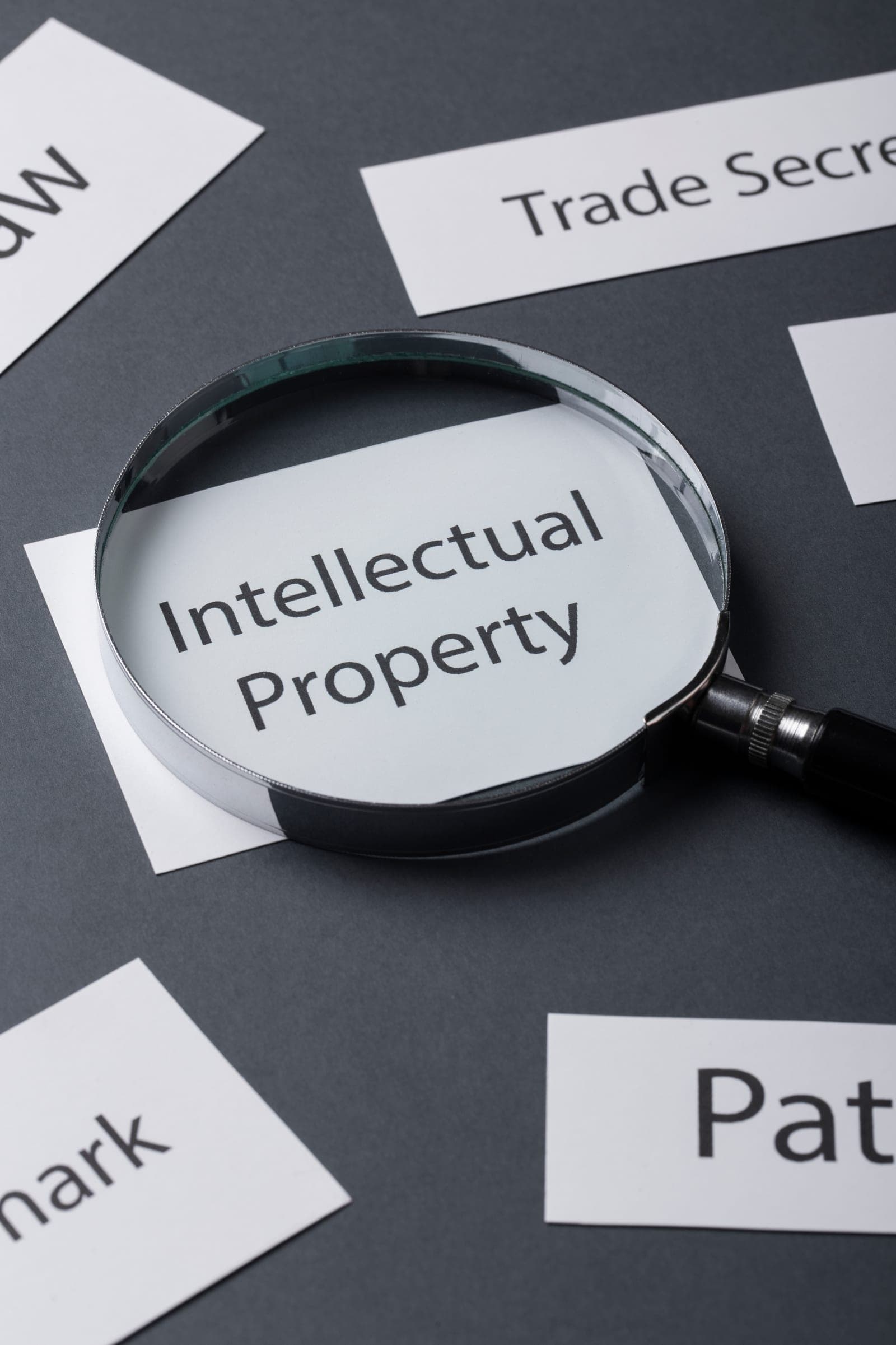
Who owns the rights to an image, a video, a text or a piece of music created with artificial intelligence?
The answer doesn’t turn simply on who wrote the prompt or who paid for the tool. In Europe, the key question is whether there is original human authorship, expressed through free and creative choices.
That’s why keeping only the final file may not be enough. Defending your rights in a work made with AI increasingly comes down to being able to reconstruct how it was made.
Can an AI-generated work attract copyright?
The European Union doesn’t yet have specific legislation setting out, in full, when an AI-generated work can be protected by copyright. Even so, the European framework remains centred on human creativity.
In Spain, the Intellectual Property Act treats the author as the natural person who creates a work, and protects original literary, artistic or scientific creations.
The CJEU test and the Intellectual Property Act: original human authorship, and why a prompt alone isn’t enough
To claim copyright in a work created with AI, the Court of Justice of the European Union requires the piece to reflect the creator’s personality through free and creative choices. Where content is generated automatically, with no clear human involvement contributing originality, the law won’t treat it as a protectable work. Put simply: the less human control there is over the creative process, the harder it becomes to defend intellectual property in the result.
An output produced automatically by a tool, without any identifiable creative human involvement, can therefore struggle to attract protection at all.
That’s precisely why documenting the creative process matters — it’s what lets you demonstrate the original human authorship behind a piece.
Useful links:
Code of Practice: https://digital-strategy.ec.europa.eu/en/policies/code-practice-ai-generated-content
Code of Practice, copyright chapter (PDF): https://ec.europa.eu/newsroom/dae/redirection/document/118115
Why isn’t keeping the final file enough?
The final file shows the result, but not necessarily:
- Who made the creative decisions.
- What original materials were used.
- How the piece evolved.
- Which parts the AI produced.
- What a person selected, discarded or modified.
- When each version was created.
A prompt on its own doesn’t establish authorship either. Human contribution can show up in the concept, the art direction, the combination of materials, the selection of outputs, the editing, the structure, or later transformation of the work.
What should a company document to evidence authorship and human involvement in AI work?
Agencies, production companies, brands and media outlets should keep, at minimum:
- Who took part.
- The tools and models used.
- The prompts and their successive versions.
- The input files and their licences.
- The intermediate outputs.
- What was selected and what was discarded.
- The human modifications made.
- Approvals and contractual assignments.
- The date of each phase of the process.
None of this guarantees that a work will get legal protection. What it can do is help establish that human involvement existed, how far it went, and when it happened — while also flagging risks around copyright, image rights, trade marks or third-party material.
The practical way to record those decisions is in how to document and certify AI-generated content, step by step.
How does VeriqX help defend copyright in AI-generated content?
VeriqX documents the AI creation process in a structured way. It records the tools, models, instructions, input files, intermediate materials and the level of human involvement.
From that evidence it issues a certificate bound to the final content, using mechanisms such as timestamping and C2PA / Content Credentials to reinforce its integrity and traceability.
VeriqX doesn’t grant intellectual property rights, and it can’t guarantee the absence of infringement. What it does is provide evidence of how a work was created, what each participant decided, and what controls were applied.
When you create with AI, defending your rights often depends as much on being able to prove the process as on the strength of the result itself.
Key points and frequently asked questions about copyright and AI
Can content created with AI be protected by copyright?
Only where there’s original human authorship reflected in free and creative choices — selection, editing, combination or transformation. A wholly automatic output isn’t protected.
Is keeping the prompt or the final file enough to claim authorship?
No. Neither the prompt nor the final file shows, on its own, who made the creative decisions or which parts a person edited.
How does VeriqX help defend intellectual property in AI work?
VeriqX certifies how the work evolved, the source files, the changes made and the human involvement, through timestamping and the C2PA standard.
Need to protect the intellectual property in your AI-generated content?
- Technical consultancy and corporate certification: [email protected]
- Talk to the author directly (David Lahoz): https://www.linkedin.com/in/dlahoz/
Certify your content with VeriqX
Document how each file was made, seal it with C2PA Content Credentials and share a certificate anyone can verify.
Certify your first file for freeRelated articles
What the EU AI Act means for AI content production
How the EU AI Act affects AI content production: the Article 50 rules on machine-readable marking, visible labelling and deepfakes.
- EU AI Act
- Labelling
- Production
VeriqX: certify and protect your AI-generated content
Bring traceability, transparency and EU AI Act readiness to your AI productions. Certify your content with VeriqX.
- VeriqX
- Traceability
- C2PA

The legal risks of using AI in business
The main legal risks of using AI in business: commercial licensing, intellectual property, privacy and contractual protection against third-party claims.
- Legal risk
- Licensing
- Business